



Advanced Course in Scalp Micropigmentation
Intensive clinical and technical training for doctors and eligible professionals seeking to integrate precise, natural-looking scalp micropigmentation into contemporary hair-loss and hair-restoration practice.

Course at a Glance
Duration
typically 4-6 Days
Format
Individual or limited small-group training
Location
IIAM, Pune
Faculty
Dr. Gaurav Raj Chhabra
Learning Model
Theory, technical practice, demonstration and supervised exposure
Availability
Limited intake; subject to candidate suitability and schedule availability
Extending the Possibilities of Hair Practice
A patient may receive appropriate medical treatment, undergo hair transplantation or achieve stability of the underlying condition, yet continue to be troubled by visible scalp contrast, limited density, donor-area scarring or advanced loss that cannot be fully restored.
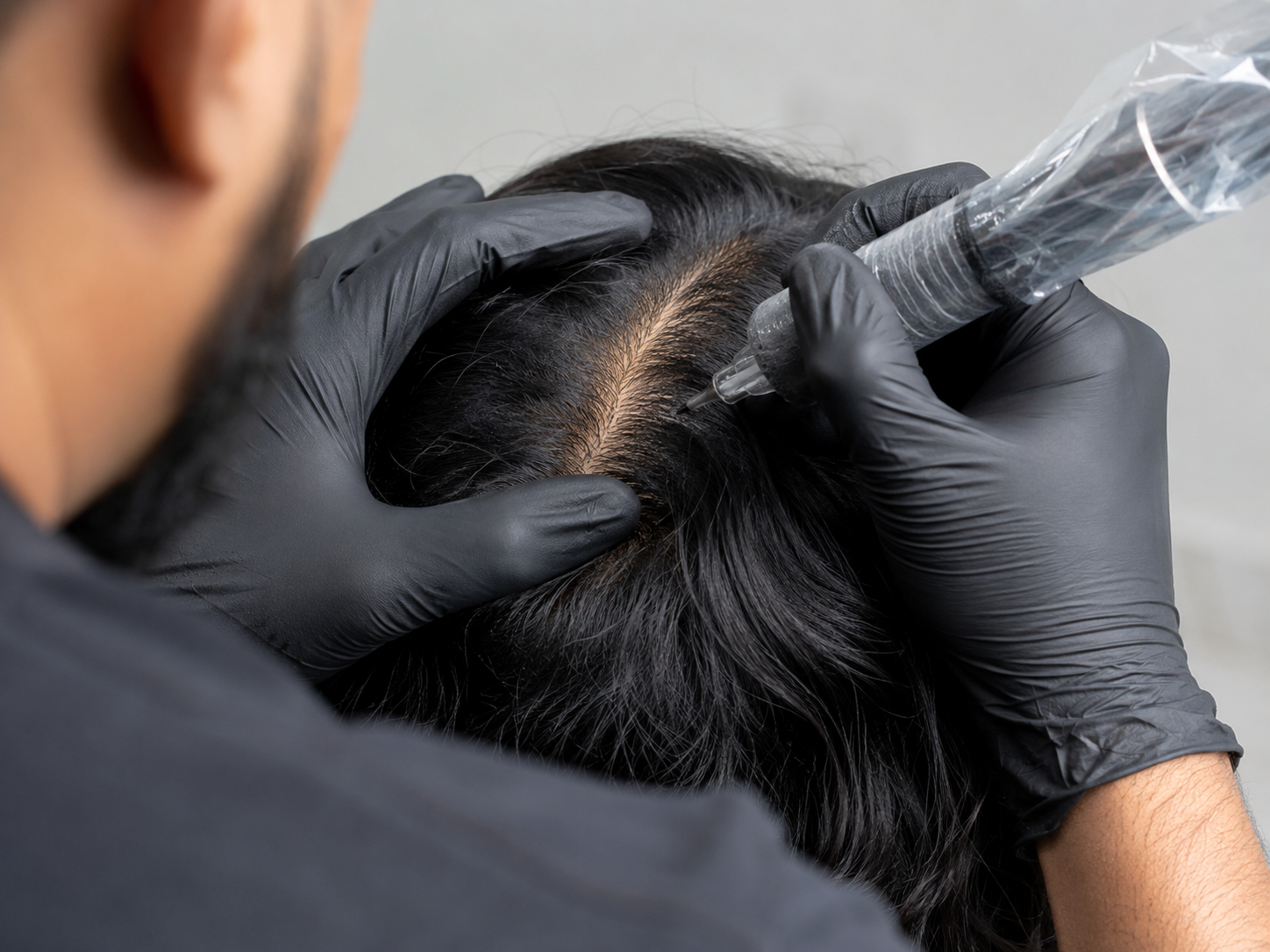
Scalp micropigmentation addresses this remaining visual deficit. Through controlled follicular simulation, it can create the appearance of a closely shaved scalp, reduce visible contrast in suitable thinning areas and refine the cosmetic outcome of selected surgical cases.
For dermatologists and hair-restoration practitioners, SMP is therefore not a replacement for diagnosis, medical therapy or transplantation. It is an additional restorative capability—one that can extend the treatment pathway when biological or surgical options have reached their practical limits.
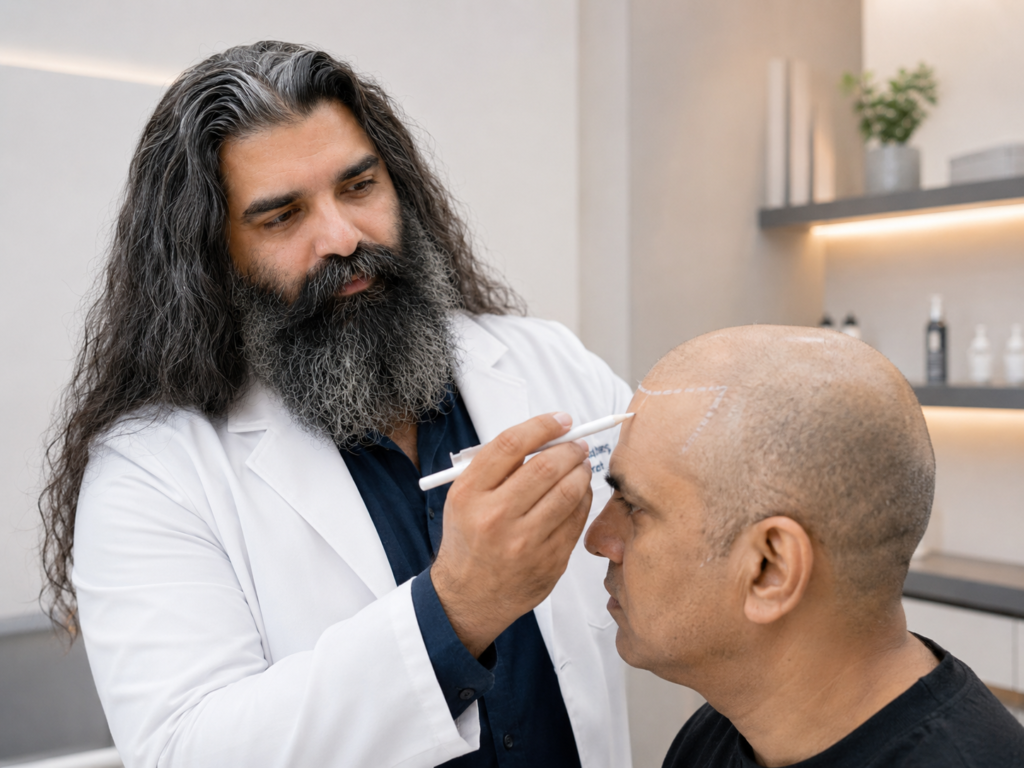
The Clinical Role of SMP in Hair-Restoration Practice
Advanced male-pattern baldness | Post-transplant refinement |
FUT and FUE scar camouflage | Diffuse or female-pattern scalp visibility |
Alopecia universalis or totalis | Stable alopecia areata |
Why Advanced Training Matters
The apparent simplicity of placing small pigment impressions can be deceptive. The healed result is shaped by the interaction of needle configuration, implantation depth, hand pressure, working angle, machine speed, pigment concentration, scalp characteristics and density distribution.
Minor technical errors may heal as enlarged, merged, migrated or blue-grey impressions. Correction can be difficult. The course is therefore designed around precision, restraint and the ability to evaluate how the result will settle and age—not merely how it appears during the procedure.
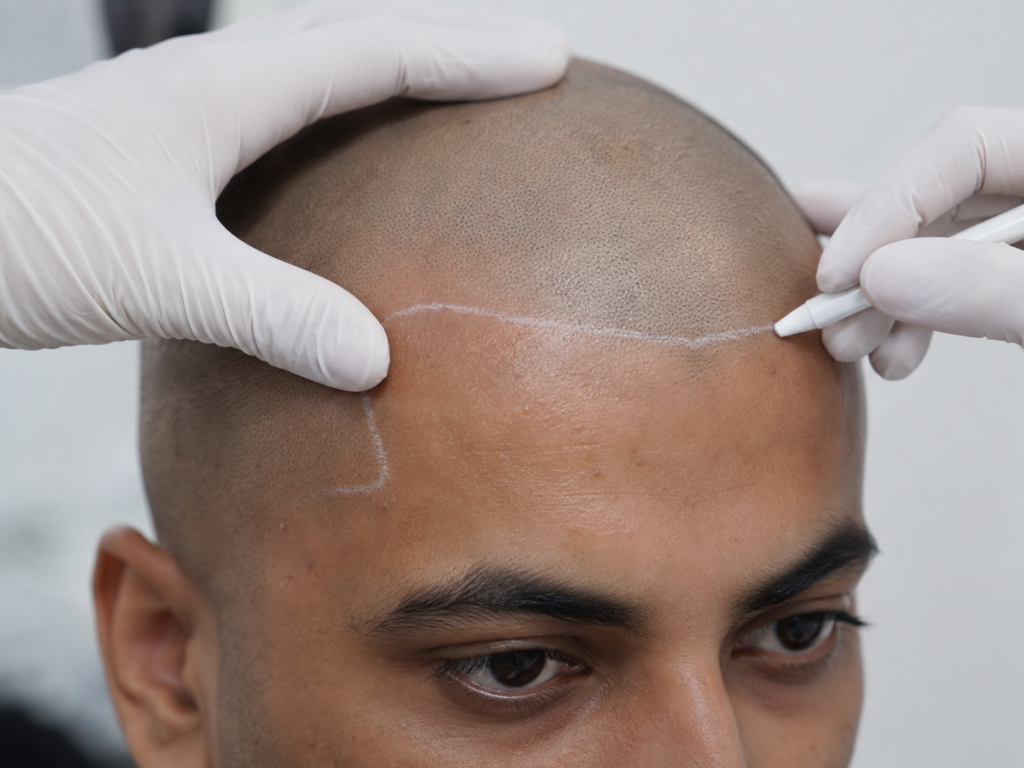
Core Curriculum Topics
Scalp & Hair Anatomy
- Follicle structure, hair growth cycle, causes and patterns of hair loss
Pre-Procedure Assessment
- Patient consultation, suitability assessment, setting realistic expectations
Pigment & Tools
- Color theory for skin tones, needle sizes, machine setup and sanitation
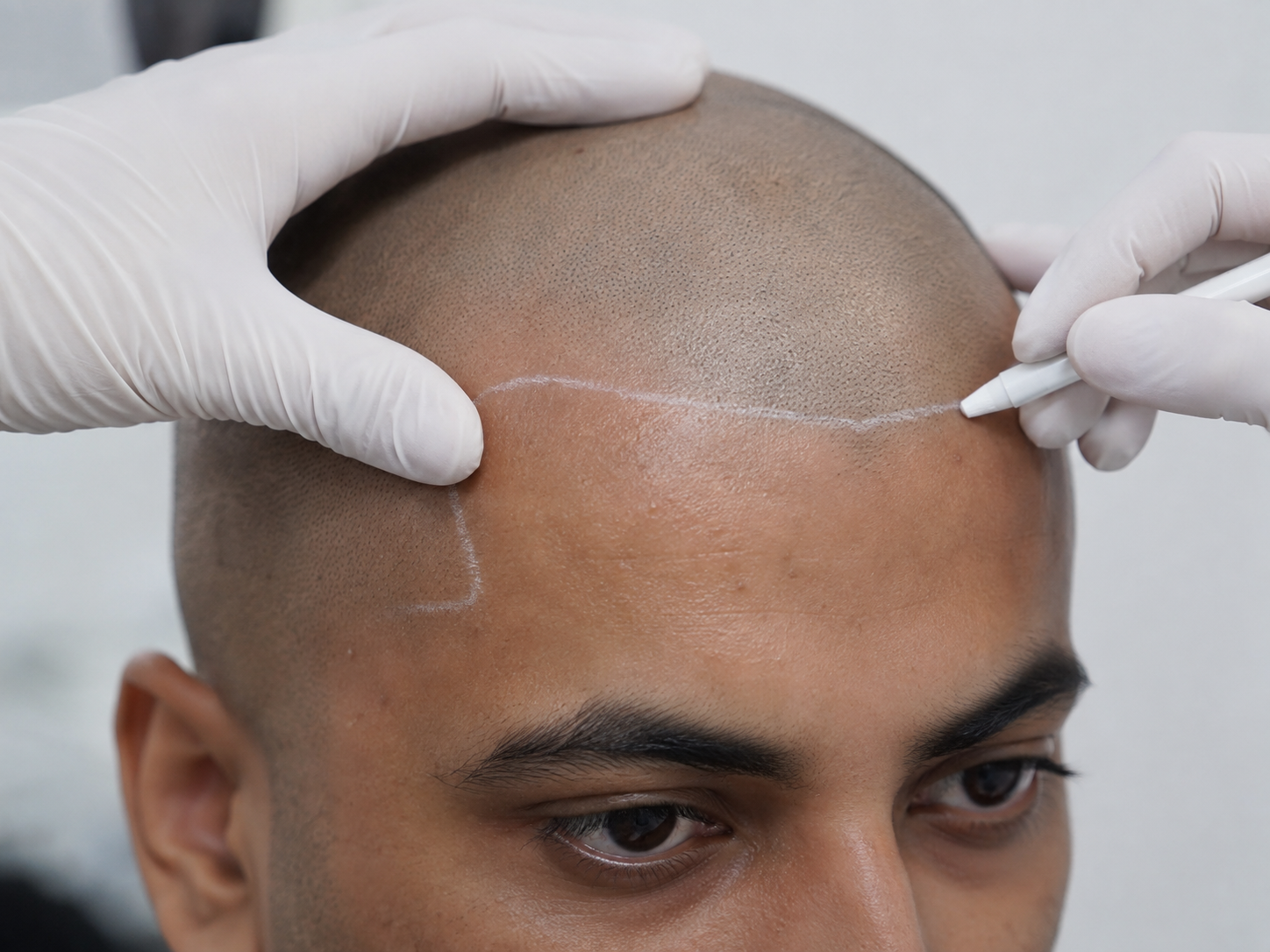
Hairline Design
- Designing a natural, age-appropriate hairline based on facial structure
Technique & Density Building
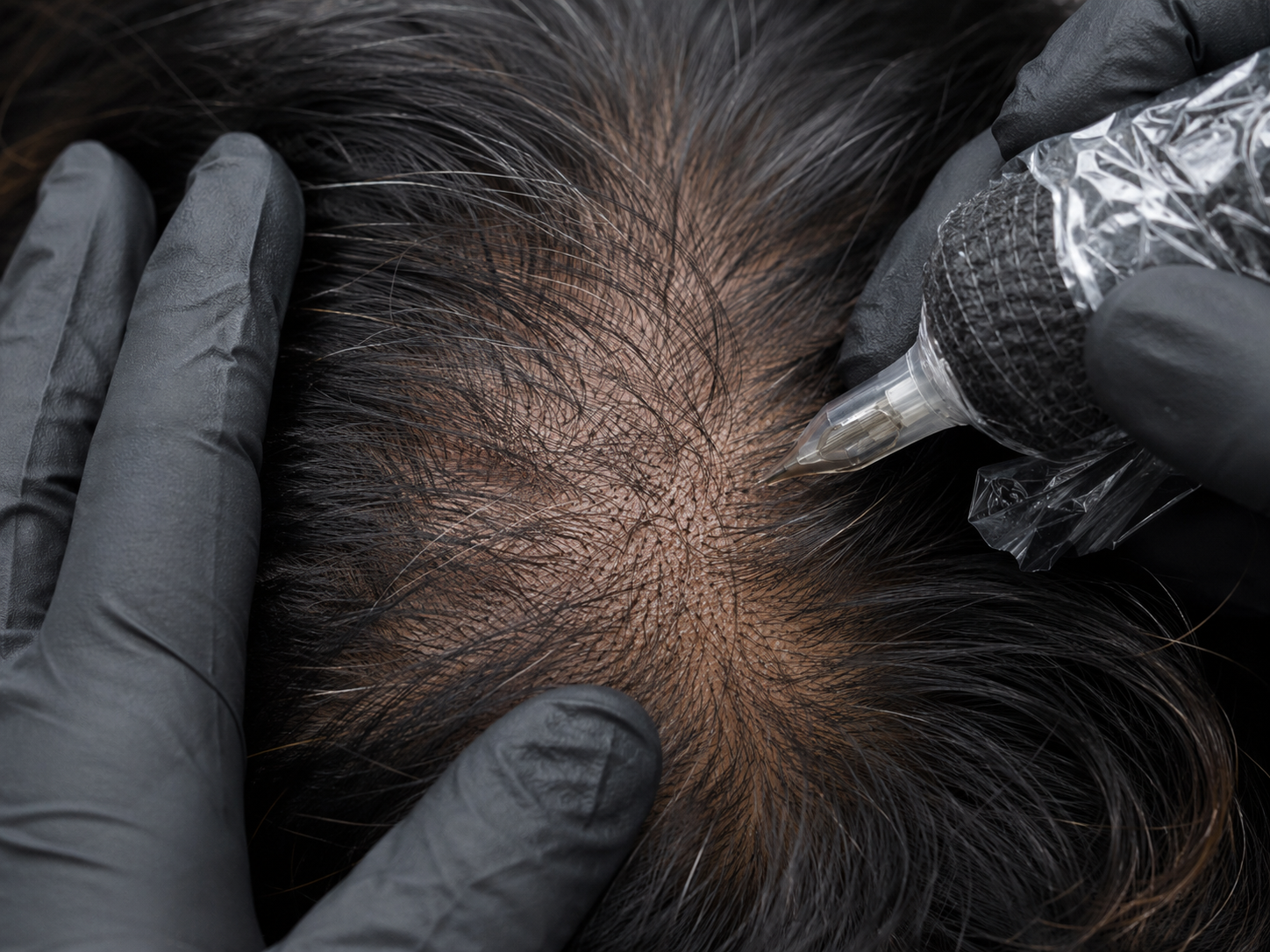
- Dot pattern application, layering, diffusion, and building natural-looking density
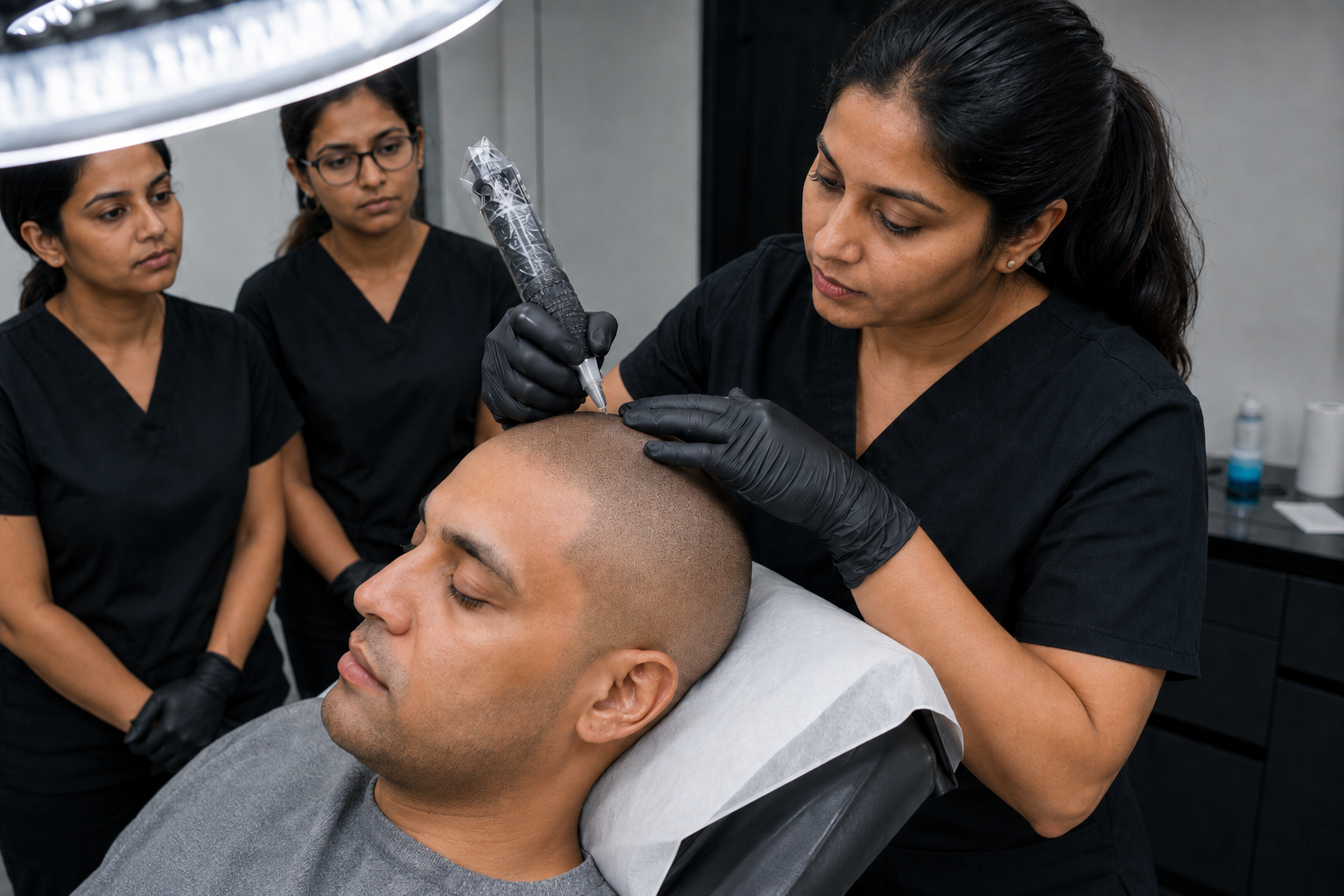
Hands-On Clinical Practice
- Supervised procedure practice on models/patients under faculty guidance
Aftercare & Follow-Up
- Post-procedure care instructions and touch-up session planning |

- Scalp and hair-loss assessment
- Relationship between medical, surgical and camouflage options
- Indications, contraindications and treatment limitations
- Candidate selection and realistic outcome planning
- Positioning SMP within a broader hair-restoration plan
- Facial proportion and hairline placement
- Age-appropriate design and controlled irregularity
- Transition zones and density gradients
- Shaved-look and density-enhancement approaches
- Scalp mapping and treatment zoning
- Machine, handpiece and cartridge characteristics
- Needle configurations for different treatment objectives
- Pigment tone, dilution and delivery
- Pigment behaviour across Indian skin tones and undertones
- Workspace preparation, barrier protection and infection-control principles
- Needle selection and impression characteristics
- Insertion depth and dermal response
- Hand pressure, working angle and machine speed
- Pigment flow, impression size and spacing
- Progressive density building without over-saturation
- Prevention of spread, migration, merging and blue-grey healing
- Norwood Grade VI–VII male baldness
- Density work in the presence of existing hair
- Post-hair-transplant visual refinement
- FUT linear-scar and FUE donor-area camouflage
- Alopecia universalis and selected stable alopecia areata
- Corrective planning for previously unsatisfactory SMP
- Healing stages and settled pigment appearance
- Pigment retention and colour evolution
- Session spacing and staged density development
- Aftercare and maintenance planning
- Recognition of poor healing or technical failure
- Consultation, photography and documentation
- Consent and expectation management
- Treatment-plan communication
- Equipment and consumable planning
- Appropriate referral and professional boundaries
- Integration with dermatology, trichology and hair transplantation
Practical Learning Sequence
A structured, step-by-step learning pathway designed to build clinical confidence, technical precision and treatment planning skills.
Clinical and Technical Foundations
Indications, scalp characteristics, design and the variables influencing healed pigment.
Equipment and Pigment Orientation
Guided familiarity with machines, needles, cartridges, pigments and treatment setup.
Design and Simulation Exercises
Hairline planning, mapping, spacing and density exercises.
Technical Practice
Controlled work on suitable training media to develop pressure, depth, angle and impression consistency.
Faculty Demonstration
Observation of case assessment, design, setup and procedural execution.
Supervised Clinical Exposure
Participation where readiness, patient suitability, consent and case availability permit.
Review and Correction
Evaluation of technique, recognition of errors and planning for improvement.
Learn from India's Leading Aesthetic Medicine Experts

DR. GAURAV RAJ CHHABRA
ScalpMicro® Affiliate Professional Founder and Director, Dermakraft®
Dr. Gaurav Raj Chhabra is a physician, restorative micropigmentation practitioner and educator with more than two decades of professional experience and a decade of specialised work in scalp micropigmentation. His work includes SMP across Indian skin tones, advanced baldness, alopecia universalis, post-transplant density enhancement, scar camouflage and corrective scalp micropigmentation. His teaching focuses on the technical variables that determine healed-result quality: needle selection, implantation depth, pressure, working angle, pigment behaviour, impression control and progressive density building.
Why the Intake Is Limited
SMP is highly dependent on close observation and correction of technique. IIAM therefore conducts the course individually or with a limited number of participants so that the faculty can evaluate hand position, pressure, depth, spacing and technical progress.
Programs Cost
Our program costs are designed to remain transparent competitive and accessible for students from diverse backgrounds. Each academic program includes tuition fees, registration charges and essential learning resources ensuring students receive high-quality education and comprehensive academic support Costs may vary based on program type, course load, and mode of study (on-campus, hybrid, or online) We aim to provide exceptional value through modern facilities, expert faculty, and industry aligned curriculum making your investment in education both meaningful and future-focused.
| Duration | Format | Location | Learning model | Scheduling | Language | Certificate |
|---|---|---|---|---|---|---|
| Typically 4–6 days | Individual or limited small-group training | IIAM, Pune | Theory, design exercises, technical practice, demonstration and supervised exposure | Scheduling Planned according to participant background, faculty availability and suitable practical opportunities | English/ Hindi/ Punjabi/ Gujarati | IIAM in association with ACADMiPi - Academy of Micropigmentation |
Individual Attention by Design
Small variations in depth, pressure, pigment or density can materially alter the healed result. IIAM therefore does not operate this course as a high-volume batch programme. Training is planned around the participant’s background, technical progress and learning requirements.
Course Fees
Course fees, inclusions, equipment requirements and the applicable payment schedule are shared after the participant’s professional background and training objectives have been reviewed.
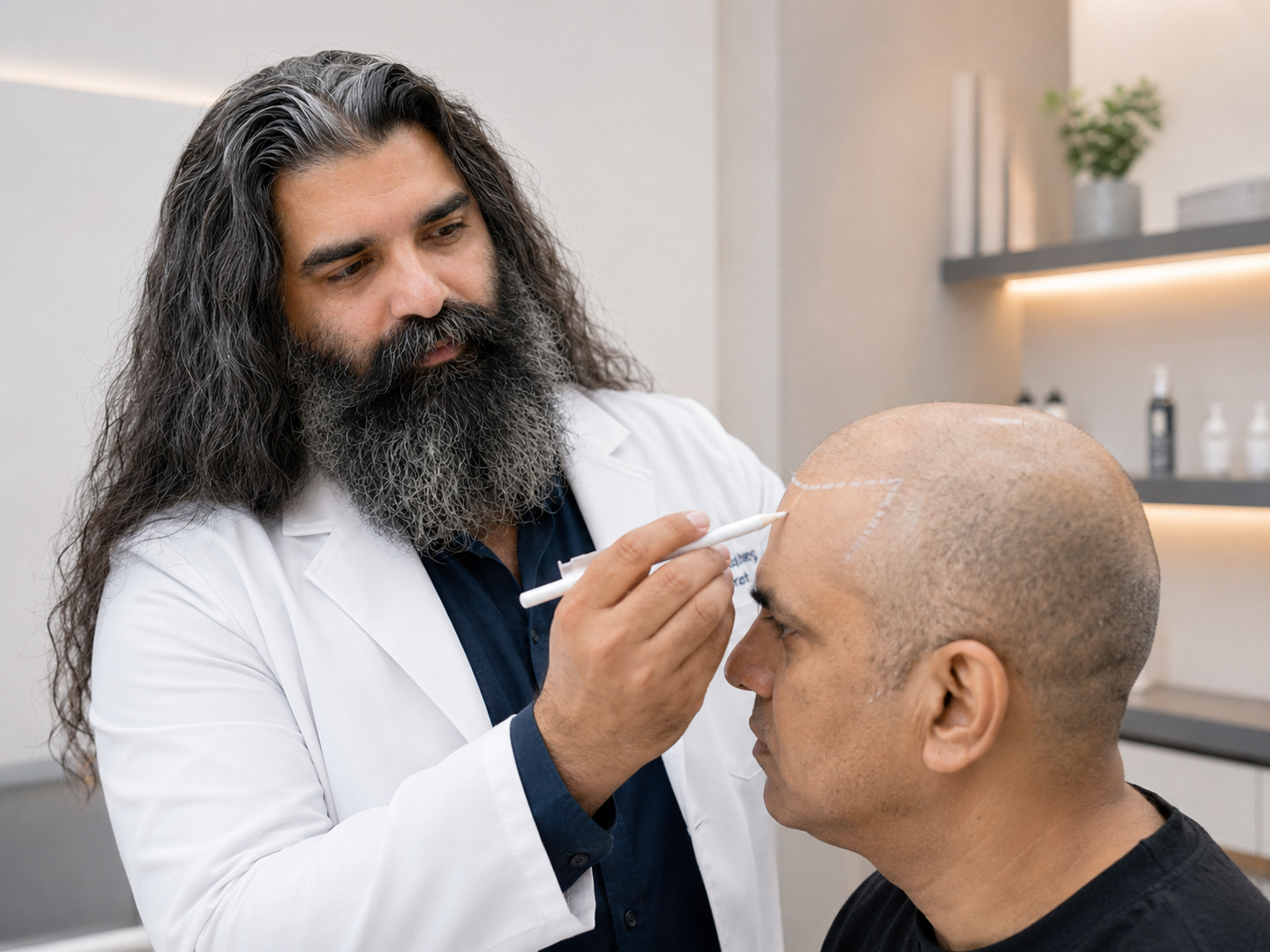
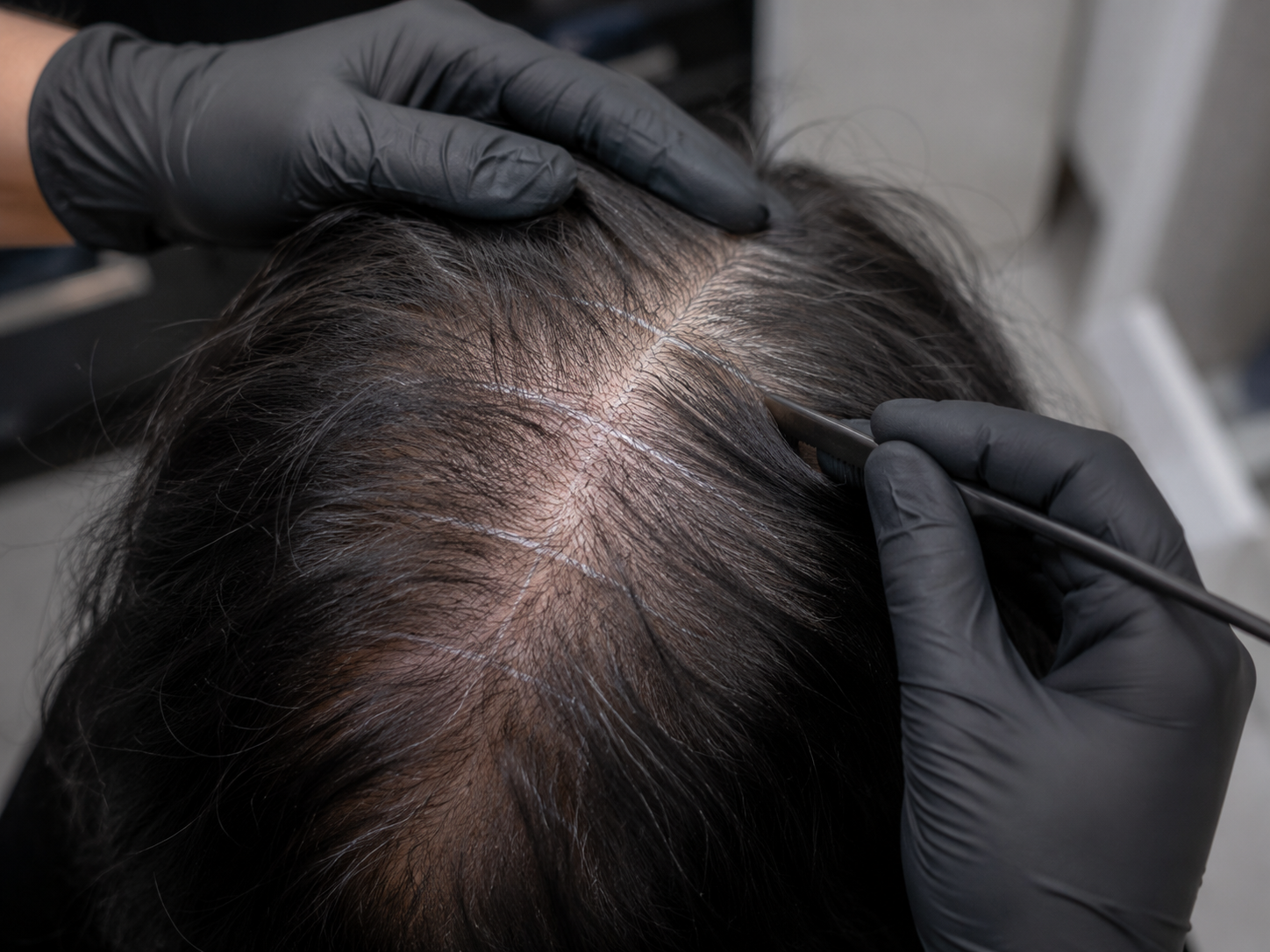
Scheduling and Confirmation
Training dates are planned individually and depend on candidate suitability, limited intake, faculty availability and appropriate clinical-learning opportunities.
Submission of an enquiry or application does not secure enrolment. Participation is confirmed only after the required review and formalities are completed and written confirmation is issued by IIAM.
Certification
Certification is issued subject to completion of the prescribed attendance, learning, assessment, payment and professional-conduct requirements.
Who May Apply
The course is intended primarily for dermatologists, hair-transplant surgeons and other qualified doctors. Admission is based on professional background, intended use of the training and suitability for the technical and clinical demands of the course.
Admission Is Individually Reviewed
Participants may enter with different medical, aesthetic or micropigmentation backgrounds. IIAM therefore reviews each enquiry before confirming the training format, schedule and admission requirements.
- Professional qualification and registration details, where applicable
- Prior aesthetic, hair-restoration or micropigmentation experience
- Intended use of the training
- Suitability for the technical and clinical demands of the programme
- Faculty, clinical-opportunity and schedule availability
Admission Process
A simple, transparent admission process designed to help eligible healthcare professionals enrol with confidence.
Submit Your Enquiry
Share your qualification, professional background, prior experience and intended use of SMP.
Course-Fit Review
IIAM reviews your background and discusses the appropriate training scope.
Receive Programme Details
The proposed schedule, programme inclusions, fee structure and applicable policies are communicated in writing.
Complete Admission Formalities
Submit the required documents and complete the payment process after reviewing the admissions and refund terms.
Receive Written Confirmation
Your seat is confirmed only after IIAM issues written admission confirmation.